Our Investigators
Our Chief Investigators
-
![]()
Professor Shawana Andrews
UNITE
The University of Melbourne | shawanaa@unimelb.edu.au
Professor Shawana Andrews is a Palawa Trawlwoolway/Pairrebenne woman and serves as Director of the Melbourne Poche Centre for Indigenous Health and Associate Dean Indigenous at the University of Melbourne.
With more than 25 years’ experience in Aboriginal health, she began her career as a clinical social worker before moving into research, policy, and academia. Her PhD examined family violence and cultural practice methodologies. Professor Andrews’ work focuses on Indigenous health leadership, truth-telling, and strengthening post-doctoral pathways for Indigenous scholars. She is a published author in the First Knowledges series, with research spanning health leadership, graduate experiences, mothering practices, family violence, and cultural methodologies.
-
![]()
Dr Scott Avery
OWL
University of Technology Sydney | scott.avery@uts.edu.au
Dr Scott Avery is a professor of Indigenous disability health and wellbeing at Girra Maa Indigenous Health, University of Technology Sydney. He is an Aboriginal man from the Worimi people and is profoundly deaf.
Dr Scott is a recognised educator, researcher and policy adviser on Indigenous cultural approaches for the inclusion of people with disability. His publication 'Culture is Inclusion' (2018) has influenced national policy across Closing the Gap, Australia’s Disability Strategy, and the Disability Royal Commission.
-
![]()
Professor Chelsea Bond (Watego)
OWL
Queensland University of Technology | chelsea.bond@qut.edu.au
Professor Chelsea Watego, a Munanjahli and South Sea Islander woman, is Executive Director of QUT’s Carumba Institute. With over 25 years’ experience as a practitioner and researcher, her work critically examines race in health inequalities and pioneers Indigenist Health Humanities.
A prolific writer and public intellectual, Watego is a founding board member of Inala Wangarra, founding Director at the Institute for Collaborative Race Research, and Commissioner for the O’Neill -Lancet Commission on Racism, Structural Discrimination and Global Health . Her acclaimed debut book, Another Day in the Colony, was published in 2021.
-
![]()
Professor Michelle Bovill (Kennedy)
Maali
University of Newcastle
michelle.kennedy11@newcastle.edu.auProfessor Michelle Kennedy is a Wiradjuri woman, Research Advisor at the Lowitja Institute, and an NHMRC Investigator at the University of Newcastle. With more than 20 years of experience, she has worked alongside Aboriginal and Torres Strait Islander communities in community development, social work, and health research.
Professor Kennedy leads nationally recognised research in tobacco control, Aboriginal and Torres Strait Islander health research ethics, and Indigenous methodologies. She holds a PhD in Aboriginal Health, a Master of Social Science (Social Work), and a Bachelor of Arts (Honours) from the University of Newcastle, reflecting her strong commitment to advancing Indigenous health and research excellence.
-
![]()
Professor Alex Brown
UNITE
Australian National University | alex.brown@anu.edu.au
Professor Alex Brown, is a proud Wadi Wadi and Yuin Nation clinician and researcher. He is currently the Professor of Indigenous Genomics at The Kids Research Institute and The National Centre for Indigenous Genomics at ANU.
He has led the establishment of a number of Indigenous health research groups including Menzies School of Health Research, Baker Heart and Diabetes Institute, and the South Australian Health and Medical Research Institute. His work has focused on understanding and overcoming health inequalities, with a particular focus on CVD, Diabetes and cancer. He has led numerous studies in epidemiology, qualitative research, mixed methods health services research, clinical trials and genomic studies in cardiometabolic disease in Indigenous communities. Alex became the first Indigenous scientist appointed to the CSIRO Board in 2023.
-
![]()
Professor Yvonne Cadet-James
NEXGEN
Jawun Research Institute, CQUniversity | jri@cqu.edu.au | y.cadetjames@cqu.edu.au
Prof Yvonne Cadet-James has some 50 years’ experience in the fields of health and education. As an experienced researcher with a strong track record she has played a significant role in Indigenous research reform.
As a Gugu Badhun nation member she is co-director of the Gugu Badhun Djiman Research Centre. Prof Cadet-James supports Indigenous organisations and communities to control their research agenda through education, training and community led development of research strategies, policies and agreements.|
-
![]()
Professor Thomas Calma
OWL
Professor Tom Calma, an Aboriginal Elder from the Kungarakan and Iwaidja tribal groups, has over 45 years of experience in Indigenous affairs at local, national, and international levels. He worked in the Australian Public Service for 38 years before retiring in 2010 and now serves as a consultant, volunteer, and academic.
Calma sits on numerous boards and committees addressing rural and remote Australia, health, mental health, suicide prevention, education, culture, language, justice reinvestment, reconciliation, research, and economic development. His lifelong commitment has significantly influenced policy and programs supporting Indigenous communities across Australia.
-
![]()
Professor Karla Canuto
UNITE
James Cook University | Karla.Canuto@jcu.edu.au
Professor Karla Canuto is a Torres Strait Islander, descended from the Naghir Tribe of the Kulkalgal Clan with bloodline to Panai, Mabuyag Island. She has over 20 years of experience in Aboriginal and Torres Strait Islander health and research and is dedicated to empowering communities and strengthening the research capacity and leadership of Aboriginal and Torres Strait Islander peoples. Her research includes her NHMRC Investigator Grant Community led Health Promotion in the Torres Strait (2026–2030), which focuses on improving health and wellbeing through preventative and health promotion strategies.
-
![]()
Associate Professor Justin (Kootsy) Canuto
UNITE
Flinders Universitykootsy.canuto@flinders.edu.au
Kootsy (Justin) Canuto is a Wagadagam man from the Torres Strait – who was born and raised on Yidinji country (Cairns – FNQ). He is also Associate Professor of Aboriginal and Torres Strait Islander Male Health and Wellbeing at Flinders University and has an affiliation with James Cook University as Principle Research Fellow, Indigenous Men's Health Promotion.
Through his male health research and innate ability to listen and learn, Kootsy has developed strong, meaningful relationships with Aboriginal and Torres Strait Islander Elders, Traditional Owners, leaders of Aboriginal and Torres Strait Islander communities and community organisations across the country. These relationships are of the upmost importance and will continue to guide all elements of his research and personal development.
-
![]()
Professor Catherine Chamberlain
Maali
The University of Melbourne cacham@unimelb.edu.au
Professor Catherine Chamberlain, a Trawlwoolway (Palawa) woman from Tasmania, is a midwife and public health researcher with over 30 years of experience in the health sector.
Since completing her PhD in 2015, she has led impactful research to improve health outcomes for Aboriginal and Torres Strait Islander children and families. Her work has influenced national and international guidelines, particularly in smoking cessation during pregnancy and diabetes care.
She has published over 100 peer-reviewed articles, secured over $40 million in research funding, and received several prestigious awards. She currently leads large-scale perinatal health projects and serves as the inaugural Editor-in-Chief of First Nations Health and Wellbeing – The Lowitja Journal and Chief Midwifery Officer for CATSINaM.
-
![]()
Ms Heather D'Antoine
NEXGEN (Hub Coordinator)
-
![]()
Professor Kerrie Doyle
UNITE
Charles Stuart University kdoyle@csu.edu.au
Professor Aunty Kerrie Doyle, Associate Dean of Indigenous Health at Western Sydney University’s School of Medicine, is a Winninninni/Cadigal/Irish woman and one of the first Indigenous women to graduate from Oxford University. She chairs the Aboriginal Health and Wellbeing Clinical Academic Group at SPHERE, serves on the Council of Elders for CATSINaM, and is a board member for Ngaramura Aboriginal, Maori and Pacific Islander Corporation.
Her research focuses on education, cultural proficiency, social determinants of health, and Indigenous health. A prolific academic and media spokesperson, she has published extensively, presented internationally, and co-authored book chapters on Indigenous issues.
-
![]()
Professor Pat Dudgeon
OWL
The University of Western Australia pat.dudgeon@uwa.edu.au
Professor Pat Dudgeon, a Bardi woman from the Kimberley, is a leading Indigenous psychologist and researcher at the University of Western Australia.
Her work focuses on Indigenous mental health, suicide prevention, and community empowerment, using culturally responsive and multidisciplinary approaches. She has led major national projects, including the landmark ATSISPEP, which laid the foundation for the Centre of Best Practice in Aboriginal and Torres Strait Islander Suicide Prevention. She plays a key role in shaping national mental health policies and frameworks.
Professor Dudgeon also contributes to several influential boards and journals, advocating for culturally informed mental health strategies and Indigenous leadership across all levels of care.
-
![]()
Donisha Duff
Maali
The University of Queensland donisha.duff@student.uq.edu.au
Donisha is an Aboriginal and Torres Strait Islander woman from Thursday Island in the Torres Strait. She is a Wuthathi Traditional Owner from Eastern Cape York and has strong family connections to Badu and Moa Islands.
With more than 25 years of experience in health and Indigenous affairs, Donisha has worked across federal and state governments, universities, non-government organisations, and Aboriginal Community Controlled sectors. She is an Adjunct Associate Professor with Kurongkurl Katitjin, Centre for Indigenous Australian Education and Research at Edith Cowan University, and serves on several Queensland Government boards, contributing her expertise to Indigenous health, education, and leadership.
-
![]()
Professor Anne Eades
Maali
Curtin University
Anne-Marie.Eades@curtin.edu.auDr Anne-Marie Eades is a Noongar woman, registered nurse, public health researcher, and Associate Professor in the School of Nursing at the University of Technology Sydney.
With more than 25 years of experience in health, including 19 years dedicated to Aboriginal and Torres Strait Islander health, she is committed to improving health outcomes for First Nations peoples. Her research focuses on Indigenous methodologies, co-design, culturally safe healthcare, and public health. Working in partnership with Aboriginal and Torres Strait Islander communities, Dr Eades develops family- and community-centred approaches that strengthen health systems, reduce health inequities, and promote lasting improvements in health and wellbeing.
-
![]()
Professor Sandra Eades AO
Maali
Monash University Sandra.eades@monash.edu
Professor Sandra Eades, a Noongar woman from Mount Barker, Western Australia, is Professor of Indigenous Health in the School of Public Health and Preventive Medicine at Monash.
She graduated in medicine in 1990 and, in 2003, became Australia’s first Aboriginal medical doctor to earn a PhD. Her research focuses on improving the health and wellbeing of Aboriginal and Torres Strait Islander peoples, particularly mothers, infants, and families. Beginning her research career at the Telethon Kids Institute, she has made significant contributions to public health research, policy, and advocacy, earning national recognition for her leadership and achievements.
-
![]()
Dr Pat Anderson AO
OWL
Batchelor Institute


-
![]()
Francine Eades
Maali
Edith Cowan University f.eades@ecu.edu.au
Professor Francine Eades PSM MAE, is a Menang Noongar woman, from the Great Southern region of WA, Francine brings 30+ years’ experience in the health systems and the Aboriginal community-controlled health sector. She has a nursing background and completed formal public health training via a Master of Applied Epidemiology – Indigenous Health. In 2024, she was awarded a Public Service Medal, for working with Aboriginal leaders, Elders and communities across WA. She has worked as a Health Service Executive at the EMHS based at the Royal Perth Hospital to progress the Aboriginal health agenda. She is now employed as Professor Indigenous Health a joint role between the ECU School of Nursing and Midwifery, and Kurongkurl Katitjin.
-
![]()
Dr Karyn Ferguson
The University of Melbourne
karynf@unimelb.edu.auKaryn is a Yorta Yorta woman with more than 20 years’ experience across Aboriginal community-controlled, government and academic sectors, dedicated to improving outcomes for Aboriginal women, babies and children. She is the Goulburn Valley Aboriginal Health Lead and Director, Indigenous, in the Faculty of Medicine, Dentistry and Health Sciences at the University of Melbourne. Her research focuses on Aboriginal maternal and child health, using population data linkage to understand outcomes and system performance.
Grounded in self-determination, she advances culturally safe care and contributes to governance through leadership roles with Save the Children Australia, Rumbalara Football Netball Club and Goulburn Valley Health.
-
![]()
Professor Bronwyn Fredericks
OWL
The University of Queensland b.fredericks@uq.edu.au
Professor Bronwyn Fredericks brings over 35 years of experience across the tertiary education sector, government, and Indigenous community organisations. Prof Fredericks is the Deputy Vice-Chancellor (Indigenous Engagement) at The University of Queensland and a lead in the ARC Centre of Excellence for Indigenous Futures. She has held numerous senior roles at Central Queensland University, including Pro-Vice-Chancellor (Indigenous Engagement) and Chair of the Academic Board, and as a Commissioner with the Queensland Productivity Commission where she led the inquiry into service provision in remote Indigenous communities. Bronwyn is also a member of several ARC committees, is a Fellow of the Academy of Social Sciences of Australia, and the Australian Academy of Humanities and received numerous awards for her contributions to Indigenous health and education
-
![]()
Professor Gail Garvey
NEXGEN
The University of Queensland | g.garvey@uq.edu.au
Professor Gail Garvey (AM) is a proud Kamilaroi woman, an NHMRC Research Leadership Fellow, and Professor of Indigenous Health Research in the Faculty of Health, Medicine and Behavioural Sciences at the University of Queensland.
Professor Garvey has established an extensive and targeted research program focused on cancer and the wellbeing of Australia’s First Nations people. Gail was among the first researchers to recognise the substantial impact of cancer on Aboriginal and Torres Strait Islander people, and her work has contributed greatly to key policy and practice changes to improve their cancer outcomes.
-
![]()
Professor Jaquelyne Hughes
NEXGEN
Flinders University jaqui.hughes@flinders.edu.au
Professor Jaquelyne Hughes is a Torres Strait Islander woman (Wagadagam and Panay), Matthew Flinders Professor of Medical Education, and research lead of the Aboriginal and Torres Strait Islander Health Advancement (clinical research) Program within Flinders University College of Medicine and Public Health, Rural and Remote Health, NT. Prof Hughes clinical-research background includes chronic kidney disease, dialysis and supporting innovation within care systems.
Hughes was awarded the 2025 Royal Australasian College of Physicians Arthur E Mills Memorial Medal for her contribution to medical culture and education. Hughes is co-chair of the National Indigenous Kidney Transplant Taskforce, whose purpose is to strive for health systems to improve access to transplant and transplant outcomes of Aboriginal and Torres Strait Islander people who have kidney failure; Hughes also leads the eGFR3 Study, a prospective cohort study which seeks to learn about long term kidney health outcomes. Hughes is Medical Koike of Wagadagam, lead of Kikirriu Dan Walmai Project supporting community development in near-west Torres Strait, co-chair of the Zenadh Health Science Research and Education Council and is Torres Strait research cluster lead within Flinders University Health Equity Impact Program.
-
![]()
Professor Lisa Jackson-Pulver
UNITE
The University of Sydney
lisa.jackson-pulver@sydney.edu.auProfessor Lisa Jackson Pulver is Professor of Public Health and Epidemiology at the University of Sydney and a leading public health expert committed to Indigenous education and inclusion. She has held senior roles at major universities, driving initiatives like “One Sydney Many People,” during her time as Deputy Vice-Chancellor Indigenous Strategy and Services, building the UNSW. Murri Marri Health Unit, and scholarship programs that boosted Indigenous student enrolment and attracted significant donor support.
A visionary academic and researcher, she advocates for inclusive education and health systems, aiming to create future leaders in Australia and globally. Her work has transformed Indigenous engagement in higher education through innovative strategies and strong community partnerships.
-
![]()
Professor Marcia Langton
Maali
The University of Melbourne
m.langton@unimelb.edu.auProfessor Marcia Langton AO is a distinguished anthropologist, geographer, and public intellectual who has served as the Foundation Chair of Australian Indigenous Studies at the University of Melbourne since 2000. Her expertise spans political and legal anthropology, Indigenous culture, and agreement-making, contributing significantly to national policy and Indigenous affairs.
She has played key roles in initiatives such as the Empowered Communities project and the Expert Panel on Constitutional Recognition. Her 2012 Boyer Lectures, The Quiet Revolution, enhanced her public profile. Recognised with numerous honours, including membership in the Order of Australia, she became the University of Melbourne’s first Associate Provost in 2017.
-
![]()
Professor Raymond Lovett
OWL
Australian National University raymond.lovett@anu.edu.au
Professor Ray Lovett is a Ngiyampaa (Wongaibon) Pilaar-kiyalu man and a leading Indigenous social epidemiologist. For over two decades, his work has focused on improving Aboriginal and Torres Strait Islander health and wellbeing through Indigenous-led, culturally grounded, and policy-relevant research and evaluation.
He is the Director of Mayi Kuwayu: The National Study of Aboriginal and Torres Strait Islander Wellbeing at the Yardhura Walani, National Centre for Aboriginal and Torres Strait Islander Wellbeing Research, at the Australian National University. Mayi Kuwayu is one of the largest Aboriginal and Torres Strait Islander–led longitudinal cohort studies in Australia and is grounded in Indigenous Data Sovereignty and community governance. An NHMRC Research Fellow, his work has continued to shape national evidence on culture, policy impacts, and preventive health, with strong accountability to communities.
-
![]()
Associate Professor Veronica Matthews
NEXGEN
The University of Sydneyveronica.matthews@sydney.edu.au
Veronica Matthews is a Quandamooka woman from Minjerribah and a Principal Research Fellow at the University Centre for Rural Health, University of Sydney.
With over 20 years’ experience in Indigenous health, she leads national research on health systems, primary care, and the social, cultural and environmental determinants of health for Aboriginal and Torres Strait Islander communities. She co-leads the Indigenous Knowledges Theme of the HEAL Network and supports community led climate change adaptation and wellbeing projects. She has advanced quantitative skills, strong sector networks, and experience in grassroots participatory research to improve health outcomes.
-
![]()
Professor Daniel McAullay
Maali
Edith Cowan University
d.mcaullay@ecu.edu.auProfessor Dan McAullay is a national leader in Aboriginal health research. He is currently the Pro-Vice Chancellor (Indigenous) at Edith Cowan University. He holds qualifications in nursing, epidemiology, and public health, including a Master of Applied Epidemiology and a PhD.
Professor McAullay is widely recognised for his contributions to developing national standards for ethical research involving Aboriginal and Torres Strait Islander peoples. His research spans maternal, infant and child health, primary healthcare, and broader health services research.Professor McAullay also contributes to several high-level boards and advisory committees. He currently serves on the Stars Foundation board, is a Trustee of the Western Australian Museum and a member of the FHRI Advisory Council.
-
![]()
Dr Leisa McCarthy
NEXGEN
Menzies School of Health Research leisa.mccarthy@menzies.edu.au
Dr Leisa McCarthy is a Warumungu woman from the Northern Territory and started her career training to be an Aboriginal Health Worker before undertaking a Bachelor of Applied Science (Nutrition) and Masters Community Nutrition to work as a Public Health Nutritionist. Leisa has worked in Aboriginal Health for 30 years and has held positions in policy, management, coordination and service delivery at the national, state/territory governments, non-government, Aboriginal Community Controlled Health sector and a Research Institute.
Her passion is in continuing to grow the future of Aboriginal leadership in health and building on communities’ strengths for positive and sustainable change.
-
![]()
Dr Janine Mohamed
OWL
National Disability Insurance Agency
janine.mohamed@ndis.gov.auAdjunct Professor Janine Mohamed is a proud Narrunga Kaurna woman and a nationally respected Aboriginal leader in health, research, and disability policy. Over more than 25 years, she has held influential roles across the Aboriginal Community Controlled Health sector, including senior positions at AHCSA, NACCHO, and as CEO of CATSINaM, where she led the landmark embedding of cultural safety into national health practitioner registration legislation.
-
![]()
Professor Yin Paradies
NEXGEN
Deakin University yin.paradies@deakin.edu.au
As Chair in Race Relations, Professor Paradies conducts research on the health, social and economic effects of racism as well as anti-racism theory, policy and practice across diverse settings, including online, in workplaces,
schools, universities, housing, the arts, and health. He also teaches and undertakes research in Indigenous knowledges and decolonisation. He has authored 278 publications, including 196 peer-reviewed articles, 28 book chapters and two monographs. -
![]()
Associate Professor Glenn Pearson
UNITE
The Kids Research Institute Australia
glenn.pearson@thekids.org.auAssociate Professor Glenn Pearson is a Nyoongar leader and Director of First Nations Strategy and Leadership at The Kids Research Institute Australia, on Whadjuk Noongar boodjar. A member of the Executive Team, he leads the integration of Indigenous health across research and operations. With 15 years’ experience in government across health, education and child protection, Glenn has established research programs in youth mental health, suicide, child development and FASD, and led the Kimberley Office model for Aboriginal research partnerships. His current work focuses on Rheumatic Heart Disease as Indigenous Lead for the END RHD Program and ASAVI.
-
![]()
Professor Odette Pearson
UNITE
South Australian Medical Research Institute
odette.pearson@sahmri.comProfessor Odette Pearson (Kuku Yalanji/Torres Strait Islander) co-leads the Wardliparingga Aboriginal Health Equity Theme at SAHMRI and is an Adjunct Professor at the University of Adelaide. Her expertise spans Indigenous health policy, systems and inequity, with a focus on how institutional practices shape health outcomes. She uses community-level administrative data and Indigenous data governance to examine disparities within and between populations.
Her work integrates epidemiology, health services research and policy to strengthen wellbeing frameworks, workforce systems and prevention strategies, with a strong emphasis on community engagement and improving health and social system responses for Aboriginal and Torres Strait Islander peoples.
-
![]()
Mr Gregory Pratt
UNITE
Central Queensland University and QAIHC
g.pratt2@cqu.edu.auGreg Pratt, a Quandamooka descendant who grew up with the Ghughu Yalanghi people, is an experienced Aboriginal mental health practitioner with expertise in policy, research, and health services. He led statewide consultations for “GenetiQs” in 2018, creating guidelines for genomic research involving First Nations peoples, and developed genomic health literacy resources in 2019.
His team has worked on workforce needs for precision medicine and coordinated care models. Greg also leads research in mental health and social and emotional wellbeing, conducting over 150 community engagements over the past five years. He is committed to empowering Aboriginal sovereignty and equitable access to health research.
-
![]()
Mr Craig Ritchie
OWL
Australian National University
Craig.ritchie@anu.edu.auCraig Ritchie, an Aboriginal man of the Dhunghutti and Biripi nations, is an independent advisor and researcher and former CEO of AIATSIS (2017–2023). With over 20 years in the public sector, he has led initiatives in Indigenous higher education, health, and international student mobility, and previously served as CEO of NACCHO. A founding member of the APS Indigenous SES Network, Craig is an Honorary Senior Fellow at the University of Melbourne and holds degrees in literature, history, classics, education, and management.
He is completing a PhD at ANU on “Culture and Policymaking,” exploring cultural foundations for better Aboriginal policy.
-
![]()
Professor Yvette Roe
-
![]()
Professor Sean Taylor
NEXGEN
The University of Melbourne sean.taylor.1@unimelb.edu.au
Professor Sean Taylor is Director of the Onemda Centre and Professor of Aboriginal and Torres Strait Islander Health at the Melbourne School of Population and Global Health and Melbourne School of Health Sciences. He has over 20 years of clinical experience in Aboriginal and Torres Strait Islander health, beginning his career as an Indigenous health worker on Mer Island in the mid-1990s.
Professor Taylor holds multiple qualifications, including nursing, health sciences, diabetes management, and a Doctor of Public Health from James Cook University. His work focuses on capacity building, developing sustainable models for systemic change, strengthening leadership, and mentoring future Indigenous health professionals to improve long-term health outcomes.
-
![]()
Professor Maree Toombs
-
![]()
Professor Jakelin Troy
NEXGEN
The University of Sydney jakelin.troy@sydney.edu.au
Professor Troy, a Ngarigu woman from the Snowy Mountains, focuses on documenting, describing, and reviving Indigenous languages. Recently, her work has expanded to Indigenous languages of Pakistan, including Saraiki and Torwali. She holds two ARC Discovery Projects: one with Prof. John Maynard on the history of Aboriginal missions and reserves, and another on the practice of ‘corroboree’ during mid-20th century assimilation. Her research emphasizes Indigenous methodologies and community-engaged practices.
Troy is committed to preserving cultural heritage through language revitalization and historical research, contributing to understanding Aboriginal experiences and traditions while fostering inclusive, culturally grounded scholarship.
-
![]()
Professor James Ward
OWL
The University of Queensland
james.ward@uq.edu.auProfessor James Ward, a Pitjantjatjara and Narungga man, is a leading infectious diseases epidemiologist and Director of the Poche Centre for Indigenous Health at The University of Queensland. With over 25 years in Aboriginal public health, he has built a national research program focused on preventing STIs, HIV, and hepatitis in Indigenous communities.
His extensive experience spans government, academia, and advisory roles, and he has contributed to over 160 publications and numerous national and international health committees.
-
![]()
Associate Professor Felecia Watkin Lui
-
![]()
Professor Roianne West
OWL
James Cook University
roianne.west@jcu.edu.au -
![]()
Associate Professor Robyn Williams
Maali
Curtin University
Robyn.Williams@curtin.edu.auProfessor Robyn Williams has 35 years of experience working with Indigenous communities across Australia, primarily in the Northern Territory.
With nursing and education qualifications, her expertise includes cross-cultural curriculum development, program implementation, evaluation of community-based programs, Continuous Quality Improvement, and qualitative research in Indigenous health.
She coordinates the Bachelor of Health Science at CDU, developing a cultural competency framework and remote health pathway for nursing. Robyn collaborates with NT Department of Health, AMSANT, IAHA, Lowitja Institute, and others. Currently completing a PhD, her research explores preparing health professionals to deliver culturally safe care in Indigenous primary health settings.
-
![]()
Professor Jacinta Elston
-
![]()
Adjunct Professor Megan Williams


Our Associate Investigators
-
![]()
Coralie Achterberg
NEXGEN
Coralie is an experienced manager with a strong background in Vocational Education and Training (VET) and a passion for coaching and mentoring. She holds a Graduate Certificate in Public Sector Management and a Bachelor of Teaching in Adult and Vocational Education from Charles Darwin University. Over 34 years with the Northern Territory Government, she advanced from a library trainee to senior roles, including Area Service Manager for Top End West in the Department of Health.
In her position at Menzies, Coralie lead project implementation, monitoring, and reporting, applying her extensive management expertise to deliver impactful programs and support organisational success.
Coralie is semi-retired and volunteers her time to actively participate in the OCHRe NEXGEN Hub.
-
![]()
Dr Mick Adams
NEXGEN
Dr Mick Adams, a descendant of the Yadhiagana people with ties to Gurindji, Torres Strait, Warlpiri, and East Arnhem communities, is a leading advocate for Aboriginal and Torres Strait Islander health. Holding a PhD in Public Health and degrees in social work and Indigenous research, he has over 30 years’ experience across health sectors, including roles as CEO and chair of NACCHO. Mick’s work focuses on improving health outcomes for Aboriginal and Torres Strait Islander men through research, policy, and advocacy.
He has led national and international efforts promoting men’s health and continues to influence health equity through leadership and research. Dr Mick Adams is a descendent of the Yadhiagana people of Cape York Peninsula in Queensland, having traditional family ties with the Gurindji people of Central Western Northern Territory and extended family relationship with the people of the Torres Straits, Warlpiri (Yuendumu), and East Arnhem Land (Gurrumaru) communities.
-
![]()
Professor Karen Adams
OWL
Monash University
Karen.Adams@monash.eduProfessor Karen Adams, is Wiradjuri and Director of Gukwonderuk Indigenous Health Workforces Centre at Monash University’s Faculty of Medicine, Nursing and Health Sciences.
The Centre's vision is to create health workforces capable of meeting the health and wellbeing needs of Indigenous peoples workforces. Her career, shaped by early work in Aboriginal Community Controlled Organisations, led to advanced studies in epidemiology and social network analysis. Today, she focuses on growth of Aboriginal & Torres Strait Islander health professionals, including a graduate research program and application of critical Indigenous studies in healthcare education.
She currently leads research aiming to better illuminate Aboriginal & Torres Strait Islander knowledge of nursing and midwifery and include this in nurse and midwifery education programs.
-
![]()
Professor Julie Andrews
Maali
-
![]()
Mrs Candace Angelo
NEXGEN
The University of Sydney
candace.angelo@sydney.edu.auCandace is an Aboriginal health scholar, registered nurse, and clinical nurse specialist with over 20 years’ experience in health and wellbeing. Her expertise spans clinical care, health promotion, cultural training, genomics, precision medicine, and Indigenous data sovereignty.
She holds multiple qualifications across nursing and public health and is committed to advancing culturally safe, equitable healthcare for Aboriginal and Torres Strait Islander peoples. Her research focuses on strengthening the Aboriginal health workforce through mentoring and ensuring emerging fields such as genomics and precision medicine are developed in ways that uphold Indigenous governance, cultural integrity, and the rights of Aboriginal and Torres Strait Islander communities.
With a distinguished career spanning 20 years in health and wellbeing, Candace is a highly respected registered nurse, clinical nurse specialist, and Aboriginal health scholar.
-
![]()
Associate Professor Caroline Atkinson
OWL
We Al-li
caroline.atkinson@wealli.com.auAssociate Professor Carlie Atkinson, a Bundjalung and Yiman woman and accredited social worker with a PhD, is an international leader in addressing complex and intergenerational trauma through culturally informed, strengths-based healing approaches.
As CEO of We Al-li, she designs and delivers Culturally Informed Trauma Integrated Healing Approaches (CITIHA) training nationwide, driving systems transformation. She developed Australia’s first culturally adapted Aboriginal trauma assessment tool and contributes to major research projects, including NHMRC and MRFF initiatives. A respected advisor to government and NGOs, she also founded the Northern Rivers Community Healing Hub in response to the 2022 floods, and holds an honorary Associate Professorship at the University of Melbourne.
-
![]()
Professor Roxanne Bainbridge
NEXGEN
The University of Queensland
r.bainbridge@uq.edu.auProfessor Roxanne Bainbridge is a Gunggari/Kunja medical anthropologist advancing health equity by integrating cultural, biomedical, and systems knowledge through a phronetic approach. She is an NHMRC Leadership Fellow and Deputy Director (Research) at the ARC Centre of Excellence for Indigenous Futures, where she leads major research, governance and community impact portfolios.
Roxanne has secured over $92 million in funding across 70 grants and produced 175 publications. Her work has shaped national policy, including leading major Indigenous health program evaluations and workforce reforms. An influential leader, she serves on key advisory boards and drives impactful, Indigenous-led initiatives that improve health systems, outcomes, and equity across Australia and internationally.
Professor Roxanne Bainbridge is a Gunggari/Kunja medical anthropologist advancing health equity by integrating cultural, biomedical, and systems knowledge through a phronetic approach.
-
![]()
Professor Dawn Bessarab
NEXGEN
The University of Western Australia
dawn.bessarab@uwa.edu.auProfessor Dawn Bessarab a proud Bard/ Yindijibarndi woman with a social work background was the former Director of the Centre for Aboriginal Medical and Dental Health at the University of Western Australia Medical School .
Dawn is currently the principal investigator who leads the NHMRC grant; Good Spirit Good Life Centre for Research Excellence in Indigenous Ageing and the MRFF grant; ‘Understanding Hearing Loss to address the health needs of Older Aboriginal and Torres Strait Islander People- A life course approach. Professor Bessarab who is a highly regarded and sought-after leader in Indigenous research methodologies and participatory action research developed the framework on research and clinical yarning as an Indigenous conversation which is now widely applied across the Australian and International communities. Dawn has championed both Indigenous and non- Indigenous researchers to build their capacity to deliver high impact Aboriginal health research that is effective, culturally safe and inclusive of Aboriginal people and communities.
-
![]()
Professor Reuben Bolt
NEXGEN
-
![]()
Dr Chris Bourke
OWL
CSIRO
Dr Chris Bourke, a Gamillaroi man and Australia’s first Indigenous dentist, leads Indigenous Science and Engagement at CSIRO. With a career spanning clinical roles in private practice, Aboriginal Medical Services, public hospitals, and health departments, he also served as a Member of the ACT Legislative Assembly (2011–2016) holding ministerial portfolios. Chris holds postgraduate diplomas in Public Health and Clinical Dentistry (Oral Implants) and an MBA. He is an Honorary Professor at Macquarie University, Honorary Clinical Associate Professor at the University of Melbourne, a Fellow of the International College of Dentistry, and serves on the Board of the Australian Dental Council.
-
![]()
Tania Brown
OWL
-
![]()
Professor Jonathan Bullen
NEXGEN
Curtin University
jonathan.bullen@curtin.edu.auProfessor Jonathan Bullen is Curtin University’s inaugural Deputy Vice-Chancellor Indigenous. A Wardandi Noongar and Yamatji man from south-west Western Australia, his work has contributed to national conversations on Indigenous education, research and engagement. He holds a PhD in Psychology and has attracted more than $60 million in research funding as an investigator on national ARC, NHMRC and MRFF projects, with a focus on the wellbeing and advancement of Indigenous Australians. Professor Bullen is a member of the Australian Research Council Indigenous Forum, advisory to the Australian Research Council Board, with a focus on strengthening equity, governance and accountability in Australian research funding and policy.
-
![]()
Dr Tamara Butler
-
![]()
Associate Professor Sandra Campbell
OWL
-
![]()
Janet Chapman
-
![]()
Lenore Dembski
NEXGEN
-
![]()
Professor Michelle Dickson
NEXGEN
University of Sydney
michelle.dickson@sydney.edu.auProfessor Michelle Dickson, BA (Hons), PGDip Ed (Adult), PGCert Dev, MEd, PhD, is a Darkinjung/Ngarigo Aboriginal academic and Director of the Poche Centre for Indigenous Health at the University of Sydney. With more than 30 years’ experience in Aboriginal and Torres Strait Islander health, wellbeing, and health professions education, she has held roles including Deputy Head of the School of Public Health and Director of the Graduate Diploma in Indigenous Health Promotion.
Her work spans SEWB, child and family health, and maternal and infant health. An NHMRC Fellow and Public Health Association Australia award recipient, she leads several research grants and provides cultural and community expertise across education, research, and policy sectors.
-
![]()
Associate Professor Summer May Finlay
Maali
-
![]()
Associate Professor Linda Ford
NEXGEN
Charles Darwin University
linda.ford@cdu.edu.auProfessor Linda Ford, a Mak Mak Marranunggu senior elder and Senior Research Fellow at Charles Darwin University’s Northern Institute, has over twenty years of academic leadership and community engagement experience. She has secured more than A$2.8 million in competitive funding, including three ARC Indigenous Discovery grants as sole lead Chief Investigator. Her contributions span major national initiatives such as the NHMRC HEAL Network and the ARC National Indigenous Research and Knowledges Network.
Her career reflects sustained impact in Indigenous knowledges, education, health, and climate research, with publications in leading journals and practical community outputs like language revitalisation apps and repositories.
-
![]()
Mr Jasper Garay
NEXGEN
University of Sydney
jasper.garay@sydney.edu.auJasper Garay (Darkinjung/Ngarigo) is a Lecturer at the Sydney School of Public Health, Faculty of Medicine and Health, The University of Sydney. As Course Coordinator of the Graduate Diploma in Indigenous Health Promotion, he delivers Aboriginal and Torres Strait Islander health and wellbeing education across the Faculty. Jasper’s research aims to support improved Social and Emotional Wellbeing outcomes for Aboriginal and Torres Strait Islander peoples. Currently undertaking a PhD in Medicine and Health, his research is exploring how Virtual Reality could be utilized to support enhanced Social and Emotional Wellbeing and Cultural Determinant outcomes for Aboriginal and Torres Strait Islander peoples.
-
![]()
Mr Lior Griew
Maali
-
![]()
Dr Noel Hayman
UNITE
Queensland Health
Noel.Hayman@health.qld.gov.auDr Noel Hayman was one of the first two Indigenous medical graduates from the University of Queensland in 1990. He is the Clinical Director of the Inala Indigenous Health Service in Brisbane, where he has led the development of culturally appropriate primary health care for urban Aboriginal communities.
His work focuses on improving Indigenous access to mainstream health services and strengthening medical education in Indigenous health. Dr Hayman has received numerous honours, including the 2003 Centenary Medal, the 2007 Close the Gap Indigenous Health Award, and was named Queensland Australian of the Year in 2011. He also serves on several national and state committees.
-
![]()
Professor Shane Hearn
UNITE
Bond University |
shearn@bond.edu.auProfessor Shane Hearn is a proud Noongar man from Western Australia and a nationally recognised leader in Indigenous higher education, research and systems reform. His work focuses on strengthening First Nations-led knowledge systems and embedding cultural authority within institutions.
A strategic leader and systems thinker, he has extensive experience driving organisational transformation across policy, governance, curriculum and workforce structures to improve Indigenous outcomes.
Professor Hearn is known for building strong cross-sector partnerships and mentoring emerging First Nations leaders. His values-driven leadership emphasises cultural authority, ethical governance and the translation of evidence into sustainable, practical change for Aboriginal and Torres Strait Islander peoples.
-
![]()
Roxanne Jones
OWL
Australian National University
roxanne.jones@anu.edu.auRoxanne Jones is a Palawa woman, PhD candidate and Research Associate at the Australian National University. Roxy is a Social Epidemiologist and Registered Nurse with a passion for Aboriginal and Torres Strait Islander child health and wellbeing.
Roxy has research experience in the development and analysis of large-scale community driven cohort studies, including Mayi Kuwayu: the national study of Aboriginal and Torres Strait Islander wellbeing, and the Yukaaywa Purrary study: a national study of Aboriginal and Torres Strait Islander child and adolescent wellbeing.
Roxy has a background working as a Registered Nurse in Paediatric Intensive Care and her PhD is investigating the epidemiology and experiences of Aboriginal and Torres Strait Islander children admitted to intensive care in Australia.
-
![]()
Associate Professor Tamara Mackean
-
![]()
Ray Mahoney
UNITE
Ray Mahoney is a Bidjara man from Central West Queensland with extensive experience in co-designing and delivering public health and prevention programs to improve Indigenous health and wellbeing. He currently leads research projects in partnership with Aboriginal community-controlled organisations, focusing on community-identified priorities. His work demonstrates a strong commitment to elevating Aboriginal and Torres Strait Islander knowledge systems and strengthening culturally informed research. Ray has built trusted partnerships across Australia and leads projects in areas including clean energy for remote communities, housing and climate impacts, AI in Indigenous healthcare, and prevention and treatment initiatives for ARF and RHD.
-
![]()
Professor Rhonda Marriott
UNITE
Murdoch University
R.Marriott@murdoch.edu.auProfessor Rhonda Marriott AM, PhD is the Inaugural Pro Vice Chancellor of the Ngangk Yira Institute for Change and Director of the Yorga, Maaman and Koolanga Research and Advocacy Centre at Murdoch University. A Nyikina woman from the Kimberley, she is a non-practising RN and midwife (Ahpra), CATSINaM Fellow and Patron. An experienced senior leader, she champions codesigned maternal, early childhood and youth research that strengthens Aboriginal and Torres Strait Islander families through policy and practice reform. Her Birthing on Noongar Boodjar project earned national recognition, and in 2025 she was named Aboriginal and Torres Strait Islander Scientist of the Year.
-
![]()
Mark Mayo
NEXGEN
Menzies School of Health Research
mark.mayo@menzies.edu.auMark Mayo, of Mudburra and Torres Strait Islander heritage, is a leading First Nations researcher with 32 years of biomedical research experience.
Based at the Menzies School of Health Research, he has contributed to numerous projects addressing Indigenous health issues, including COVID, Group A strep, malaria, melioidosis, petrol sniffing, and childhood ear diseases. Mark established the Indigenous Health Research Team at the Australian eHealth Research Centre in 2018, focusing on technology-driven health solutions. His primary research area is melioidosis, a fatal tropical disease, exploring early detection, environmental risk factors, and exposure prevention. He also mentors and leads Indigenous engagement programs.
-
![]()
Dr Tameka McFadyen
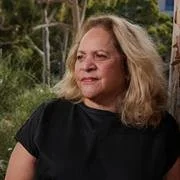
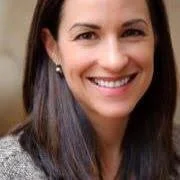
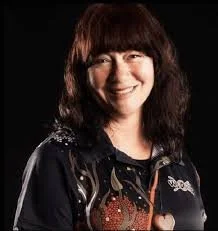
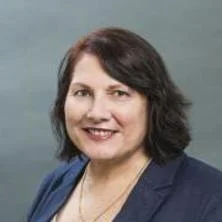
-
![]()
Shane Mohor
UNITE
-
![]()
Mrs Lorna Murakami-Gold
UNITE
Flinders University
lorna.murakamigold@flinders.edu.auLorna Murakami-Gold is the Poche Research Fellow for Poche SA + NT in Mparntwe (Alice Springs), with a background in health, education, training and Indigenous health research. She holds a Bachelor of Teaching and a Master of Education, and is currently undertaking a Doctorate in Public Health at Flinders University in partnership with the Purple House, exploring ‘Kurrunpa Wanka’ (a good life).
Lorna has received multiple awards and fellowships recognising her leadership in research translation. Her work focuses on strengthening partnerships, advancing Aboriginal-led research priorities, and supporting culturally responsive research and knowledge translation across Central Australia and the Barkly regions.
-
![]()
Lesley Nelson
Maali
South West Aboriginal Medical Services
-
![]()
Associate Professor Jacob Prehn
NEXGEN
University of Tasmania
Jacob.PrehnJacob.Prehn@utas.edu.auJacob is a Worimi Associate Professor of sociology and social work. He currently serves as Director of Research, Evaluation and Data Governance at the Treaty Authority (Victoria). Jacob has extensive practical experience as a qualified Aboriginal Health Worker and Social Worker. His scholarship focuses on Indigenous Data Sovereignty, men’s health and fathering, and social, cultural, and political determinants of health.
-
![]()
Associate Professor Boe Rambaldini
UNITE
-
![]()
Dr James Rose
-
![]()
Professor Juanita Sherwood
-
![]()
Jessica Stewart
Maali
New South Wales Department of Family and Community Services
-
![]()
Associate Professor Stewart Sutherland
-
![]()
Dr Alister Thorpe
OWL
The University of Melbourne
Alister Thorpe is a proud Aboriginal man from Gunai (East Gippsland), Yorta Yorta (Northern Victoria), Gunditjmara (Western Districts) and Wurundjeri Woi-wurrung man. He has worked as a health researcher for the last 15 years predominately on Aboriginal health research in Victoria.
Alister is also an elected member of the First Peoples’ Assembly of Victoria, and member of the Lowitja Institute’s community research network. Over the last 20 years, he has been an Aboriginal health researcher with Victoria University, The University of Melbourne, the Lowitja Institute, and the Victorian Aboriginal Health Service. He is interested in research on ethics, the social and cultural determinants of health, data sovereignty, and Indigenous cultural governance.
-
![]()
Dr Pat Turner
UNITE
National Aboriginal Community Controlled Health Organisation
-
![]()
Associate Professor Emma Walke
NEXGEN
University of Sydney
https://www.sydney.edu.au/medicine-health/about/our-people/academic-staff/emma-walke.html
Emma is a Bundjalung woman, whose family is from the Ballina, Cabbage Tree Island and Tatham areas of Northern NSW. She is the Head of Indigenous Health for Sydney Medical school and the Academic Lead for Aboriginal Health at the University Centre of Rural Health, University of Sydney, based in Lismore NSW.
Emma is passionate about Aboriginal health, history, people and the empowerment of communities and individuals to have the life they deserve. This underpins all of her work, and personal life.
-
![]()
Dr Mark Wenitong
NEXGEN
-
![]()
Associate Professor Lisa Whop
NEXGEN
Australian National University
Lisa.whop@anu.edu.auAssociate Professor Lisa Whop is a Wagadagam, Gumulgal woman Mabuiag Island in the Zenadh Kes and Associate Research Director at Yardhura Walani, the National Centre for Aboriginal and Torres Strait Islander Wellbeing Research, Australian National University. Lisa is an Indigenist epidemiologist with a focus on racialized health inequities with experience in implementation of health research to develop, inform and change public health policy, guidelines and practice.
-
![]()
Ms Tamika Williams
NEXGEN
Menzies School of Health Research
tamika.williams@menzies.edu.auTamika Williams is an Iwaija/Larrakia woman from North West Arnhem Land/Darwin. She has a Legal background, having practised for over 20 years. Tamika has a Bachelor of Laws (LLB) and a Bachelor of Aboriginal and Torres Strait Islander Studies (BATSIS). Additionally, a Graduate Diploma of Health Research (GDHR) and a Masters of Public Health (MPH). Tamika is currently employed as a Lawyer and Research Officer (Health and Law) at the Menzies School of Health Research.
-
![]()
Amanda Wingett
OWL
Australian National University
amanda.wingett@anu.edu.auAmanda is a Yandruwandha and Yawarrawarrka woman, who has worked in various areas of Aboriginal and Torres Strait Islander health for more than 15 years.
Amanda is a Lecturer, Aboriginal and Torres Strait Islander Health, at the Australian National University, School of Medicine and Psychology, College of Science and Medicine. Previously working in community-controlled, private industry, government and academia, Amanda's research interests include decolonisation/Indigenisation, addressing racism, nutrition and food security, and Aboriginal and Torres Strait Islander children's health. -
![]()
Associate Professor Michael Wright
Maali
-
![]()
Mrs Cheryl Bridge
UNITE
University of Western Australia
Cheryl.bridge@uwa.edu.auCheryl Bridge is a proud Gija woman from Halls Creek in the East Kimberley and a Senior Lecturer in Aboriginal Health and Wellbeing at the University of Western Australia Medical School. She previously led the Kulunga Aboriginal Unit at The Kids Research Institute Australia, supporting the integration of Aboriginal health research and implementation of Indigenous research standards.
With over 20 years’ experience in vocational training and public sector leadership, including roles at North Metropolitan TAFE, Cheryl is passionate about mentoring students. Her work also focuses on ensuring medical graduates meet Australian Medical Council priorities in Aboriginal health, wellbeing and cultural safety.
-
![]()
Mrs Kim Morey
UNITE
A/Prof Kim Morey is of Anmatyerre and Eastern Arrernte descent with connections to Central Australia, bringing over 25 years’ experience in Aboriginal health, community services and research. She is Co-Leader of the Wardliparingga Aboriginal Health Equity Theme at SAHMRI and Adjunct Associate Professor at the University of Adelaide. A national leader in health systems research, her work focuses on improving models of care and outcomes for Aboriginal and Torres Strait Islander people with chronic disease. She leads a highly translational program partnering with communities, ACCHOs, government and services to strengthen workforce models, training and health system reform.
-
![]()
Ms Carmen Parter
UNITE
Heart Research Institute (HRI)
Carmen.Parter@hri.org.auAssociate Professor Carmen Parter is a proud Murri woman from the Murrana, Juru and Darumbal clans of the Birra Gubba Nation, with South Sea Islander heritage. She is the CEO of Girudala, a community-controlled organisation, and an Associate Professor at the Djurali Centre, with adjunct roles at Macquarie University and UNSW.
Carmen has extensive experience as a clinician, educator, policymaker and senior leader. She serves on the Board of the Australian Health Practitioner Regulation Agency and is a Fellow of CATSINaM and the Public Health Association of Australia. In 2022, she received an international Indigenous Inquiry emerging researcher award.